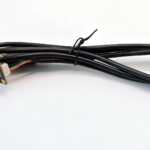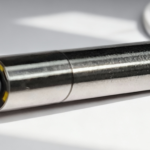

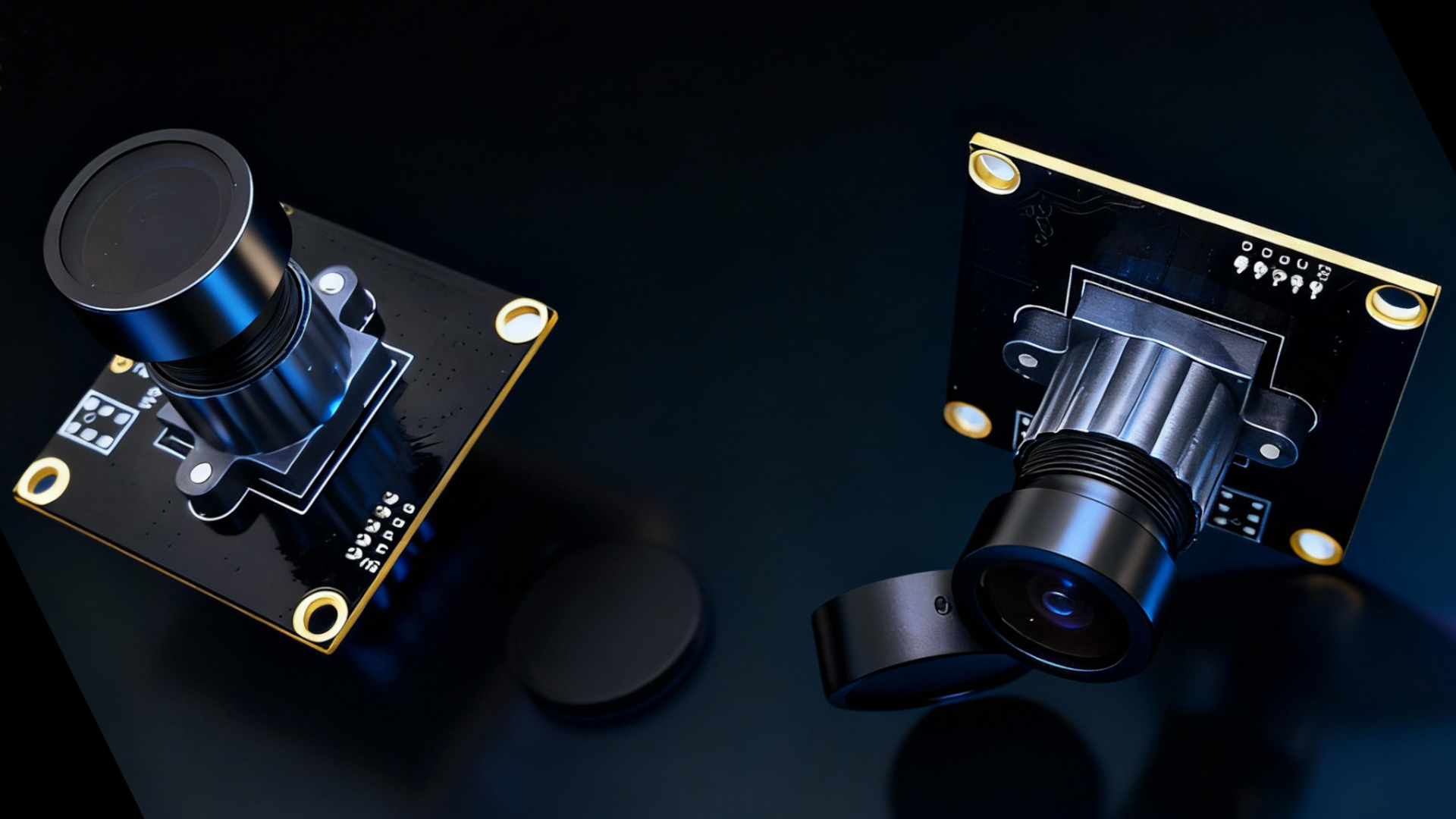
Here we introduce a typical WDR camera module as below:
- 2MP 1080P WDR Camera Module — Compact, high-definition image sensor with built-in Wide Dynamic Range (WDR) processing. Delivers clear 1920×1080 video in scenes with strong contrasts (bright highlights and deep shadows), using real-time HDR/WDR algorithms to preserve detail across varying illumination. Ideal for security, smart building, automotive, retail analytics, and industrial vision where lighting environments are challenging.
So let’s expand the WDR camera module technical description and usage instructions.
- What is WDR and how the module works
- WDR (Wide Dynamic Range) is a technique that extends a camera’s effective dynamic range so both bright and dark areas retain detail in the same scene. WDR camera modules implement this using sensor-level and/or ISP (image signal processor) methods:
- Multi-exposure HDR: capture multiple frames or pixel exposures at different exposure times (short + long) and merge them to produce a single balanced image.
- Dual-gain readout: sensor reads same pixel at low and high gain simultaneously and combines results, reducing motion artifacts versus frame-based HDR.
- Tone-mapping & local contrast enhancement in the ISP to compress scene dynamic range into displayable range while preserving perceived detail.
- The 2MP 1080P label denotes a 2-megapixel sensor with 1920×1080 resolution; paired with WDR it provides higher-detail imagery with improved visibility in high-contrast scenes.
2.What’s the WDR camera module applications and typical scenarios.
- Surveillance & security: entrances, lobbies, streets, parking lots where backlighting, headlights, or strong windows create bright backgrounds and dark foregrounds.
- Automotive & ADAS: dashboard or exterior cameras facing through windshields under mixed sunlight/shadow conditions.
- Retail & POS analytics: cashier areas with storefront sunlight and indoor lighting.
- Industrial inspection: assembly lines where reflective surfaces cause specular highlights and shadows.
- Smart buildings & access control: face recognition at doors with variable outdoor lighting.
- Each application benefits from clearer detail in both highlights (e.g., license plates, faces near windows) and shadows (e.g., areas under canopies).
3. What’s the differences between WDR and other dynamic range approches.
- Non-WDR (standard camera): single exposure; limited ability to capture both dark and bright areas; either shadows are underexposed or highlights blown out.
- WDR (multi-exposure or dual-gain): actively extends captured dynamic range by combining exposures or gains — better for static or mildly dynamic scenes.
- HDR processing in post: combines multiple frames but can cause motion artifacts; some systems rely on post-processing with higher latency.
- Sensors with high native dynamic range: advanced sensors inherently capture wider ranges per pixel using improved pixel/electronics design — often combined with ISP WDR for best results.
- Key trade-offs: multi-exposure WDR risks ghosting on fast motion; dual-gain sensors reduce ghosting but are more costly; higher dynamic range can increase noise in low-light areas without good noise reduction.
4. How to choose a WDR camera module based on application?
- Determine lighting challenges:
- High-contrast static scenes (e.g., doorways with sunlight): multi-exposure WDR works well.
- Fast-moving scenes (e.g., vehicles at speed): prefer dual-gain or true single-frame high-dynamic-range sensors to avoid ghosting.
- Required resolution and detail: 2MP/1080P is typically sufficient for face recognition at short range and license-plate reading at moderate distances; choose higher resolution if long-range identification is needed.
- Frame rate: high-motion applications need higher FPS; ensure WDR mode supports required frame rate.
- Low-light performance: examine sensor size, pixel size, and low-light sensitivity (SNR, lux rating). WDR alone doesn’t improve low-light detail; combine with larger aperture, better sensor, or IR illumination.
- ISP capabilities: look for advanced tone-mapping, noise reduction, and artifacts suppression.
- Interface & power: ensure compatibility (MIPI/CSI, USB, Ethernet/PoE), supply voltage, and form factor for your system.
- Environmental and mechanical constraints: lens options, FOV, mounting, operating temperature, and ingress protection (IP rating).
- Cost vs performance: dual-gain and large-sensor solutions cost more; balance budget with required image quality and latency.
4.1. Practical guidance for using maximum dynamic range effectively
- Choose the right WDR method: for scenes with motion, select dual-gain or single-frame high dynamic sensors; for static scenes, multi-exposure merging can yield higher dynamic range.
- Tune exposure and WDR strength: many modules allow configurable WDR level — increase WDR for extreme contrast but watch for noise and reduced midtone contrast.
- Adjust shutter priority and gain limits: prevent the system from choosing extremely long exposures that cause motion blur; set minimum shutter durations for moving objects.
- Use supplementary lighting or IR when needed: fill light reduces dependence on extreme dynamic-range compression and improves SNR in shadows.
- Optimize lens and aperture: wider apertures improve low-light SNR but reduce depth of field — weigh trade-offs for your scene.
- Post-processing and analytics: ensure algorithms (face detection, OCR) are tested under WDR output; some analytics perform differently on tone-mapped images.
- Calibration & testing: test modules in representative real-world scenarios (day/night, backlight, headlight glare) and iterate on WDR, exposure, and ISP settings.
4.2. Quick checklist to choose a 2MP 1080P WDR module
- Confirm WDR type: multi-exposure vs dual-gain vs native high-dynamic sensor.
- Required FPS and resolution: ensure 1080P at required FPS in WDR mode.
- Low-light specs: pixel size, sensor size, min lux, SNR.
- Interface & power compatibility (MIPI/CSI, USB, Ethernet/PoE).
- Lens FOV and IR support if needed.
- ISP features: noise reduction, anti-ghosting, tone-mapping control.
- Environmental robustness: operating temperature, IP rating.
- Budget and supply/support.
The topic mentioned WDR camera module instruction.
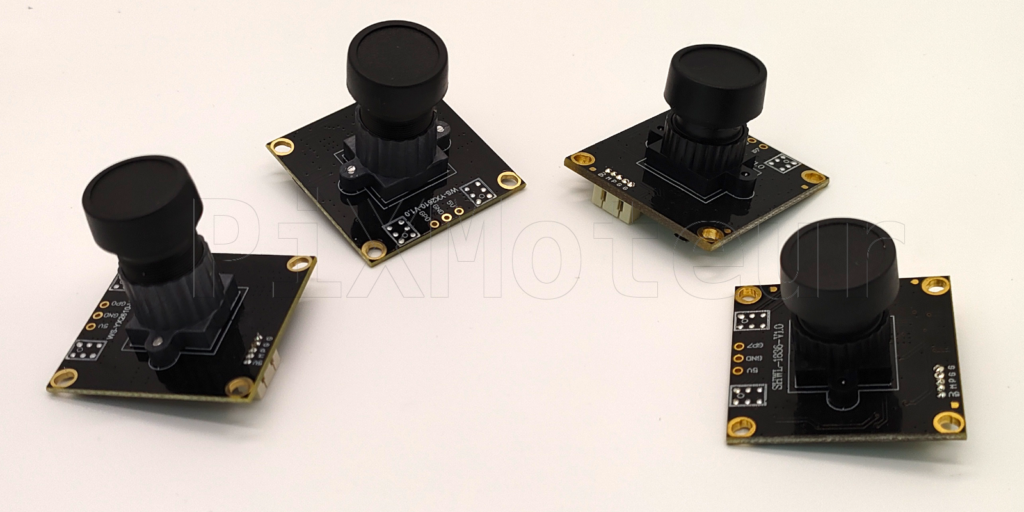
Key Features
- Sensor: 2MP, 1080P resolution
- WDR: Multi-exposure HDR and/or dual-gain WDR processing (model-dependent)
- Image Processor: Real-time tone-mapping, noise reduction, and anti-ghosting
- Frame Rates: Up to 60 fps (dependent on interface and WDR mode)
- Interfaces: MIPI CSI-2 (primary); optional USB/CSI/PoE variants
- Lens: Compatible with standard M12/CS/board-level lenses; wide-angle and tele options available
- Low-light Performance: Optimized SNR and configurable gain; IR-capable variants for night operation
- Power: 3.3V / 5V options; low-power standby modes
- Operating Temp: -20°C to +60°C (industrial variants available)
- Form Factor: Compact board-level module for easy integration
Applications
- Security & surveillance (entrances, parking, lobbies)
- Access control & face recognition
- Automotive & ADAS auxiliary cameras
- Retail POS and analytics
- Industrial inspection with reflective surfaces
- Smart buildings and IoT visual sensors
Benefits
- Clear identification in backlit and high-contrast environments
- Reduced ghosting with dual-gain WDR options for motion scenes
- Flexible integration with common interfaces and lens mounts
- Tunable ISP settings for application-specific optimization
Integration Notes
- Tune WDR strength, exposure limits, and noise reduction in firmware for best results.
- Use auxiliary illumination (IR or visible) to improve shadow detail when necessary.
- Verify lens FOV and mounting compatibility for your installation.