

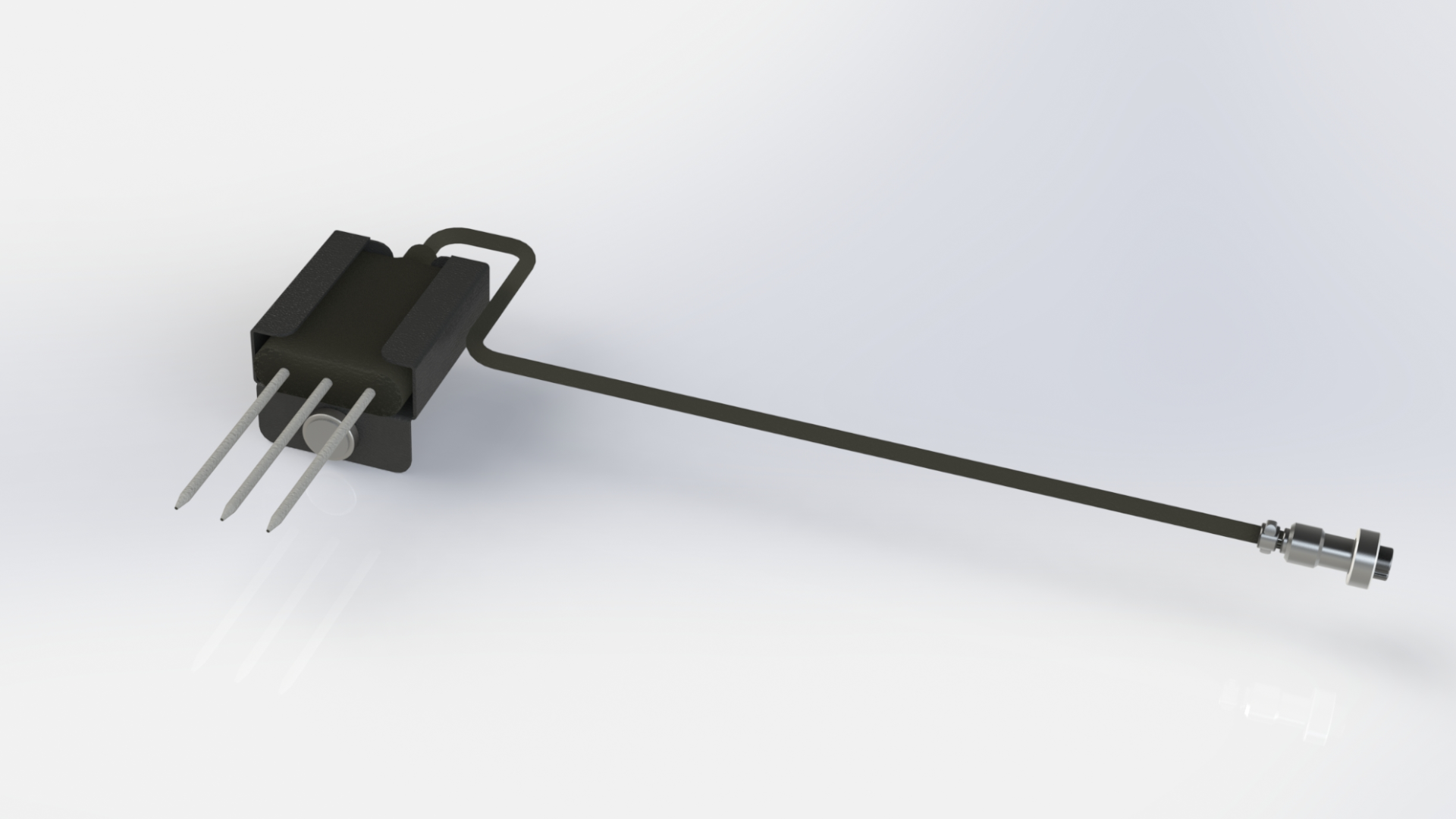
Smart plant control systems use sensors to monitor key growing conditions and automate care. Two essential sensor types for healthy plants are NPK sensors, which measure soil nutrients, and humidity sensors, which track moisture in air and/or soil. Together they help optimize growth, reduce waste, and simplify plant care.
What NPK Sensors Do
- NPK stands for Nitrogen (N), Phosphorus (P), and Potassium (K) — the primary macronutrients plants need.
- NPK sensors estimate the concentration or relative availability of these nutrients in the soil. Technologies vary (ion-selective electrodes, optical/reflectance probes, or electrochemical sensors), and some give separate readings for each nutrient while others provide a composite fertility index.
- Benefits: enable targeted fertilization, prevent over- or under-feeding, improve yield and plant health, and reduce fertilizer runoff and costs.
- Limitations: sensor drift, need for calibration, influence from soil pH and salinity, and sometimes cost and limited lifetime. Best practice pairs sensor data with occasional lab tests and farmer knowledge.
What Humidity Sensors Do
- Humidity sensors measure atmospheric relative humidity and/or soil moisture (volumetric water content). Air humidity affects transpiration, disease risk, and plant stress; soil moisture directly determines root water availability.
- Types: capacitive and resistive sensors for soil moisture; capacitive, resistive, or digital sensors (like DHT or SHT series) for air humidity.
- Benefits: enable irrigation automation, reduce water usage, prevent root rot and drought stress, and maintain optimal microclimates in greenhouses.
- Limitations: soil sensors can be affected by soil composition and contact quality; air sensors need shielding from direct water and heat sources for accurate readings.
How They Work Together in Smart Control
- Integrated systems combine NPK and humidity data with temperature, light, and pH sensors to form a complete picture of plant needs.
- Example actions: delay irrigation if soil moisture is sufficient even when humidity is low; apply targeted fertilizer when NPK readings show deficiency; trigger dehumidifiers or vents in high-humidity conditions to reduce disease risk.
- Data-driven schedules and feedback loops let controllers (microcontrollers, PLCs, or cloud platforms) run irrigation, fertigation, fans, vents, and dosing pumps automatically or alert users when manual intervention is needed.

Deployment Tips
Combine sensor data with occasional manual checks or lab testing for the most accurate nutrient management.
Calibrate sensors before use and periodically thereafter.
Place sensors at representative locations and depths for root zones.
Use redundancy for critical measurements (two soil moisture probes) to avoid single-point failures.
Clean and replace sensors per manufacturer recommendations.