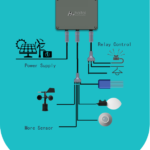


A Smart Plant Shelf is a multi-tiered indoor gardening system integrating sensors, lighting, irrigation, and controllers to automate plant care.

Typical features: adjustable LED grow lights, soil moisture/humidity/temp sensors, automated drip/fog irrigation, nutrient dosing, and a local edge controller with networking for scheduling and remote monitoring.
Benefits: space-efficient growing, consistent environmental control, water and nutrient savings, and easier care for herbs, seedlings, and houseplants.


Quick Instruction
- Unpack & Assemble
- Unbox components, assemble shelves per manufacturer guide, and secure trays and rails.
- Place drip lines, trays, and sensor holders in intended positions.
- Power & Water
- Connect the shelf to the specified AC/DC power supply and verify polarity.
- Fill reservoir with water (and nutrients if using fertigation). Prime pump and check for leaks.
- Position Plants & Sensors
- Pot plants and place them evenly on each shelf.
- Insert soil moisture sensors into root zone depth; mount air humidity/temp sensors centrally and away from direct spray.
- Configure Controller
- Power on controller and connect to local network (Wi‑Fi/Ethernet) or use onboard interface.
- Set time, light schedules (photoperiod), irrigation schedules or moisture thresholds, and nutrient dosing profiles.
- Calibrate & Test
- Calibrate soil moisture and pH/NPK sensors if required.
- Run a manual test cycle: lights on, pump/valve actuate, relays switch; confirm sensors report values.
- Set Automation Rules
- Create rules: e.g., water when soil moisture < X% with minimum off-time; lights on from 06:00–20:00 or based on ambient light; dose nutrients weekly or per sensor reading.
- Add safety limits (max run time, low-reservoir alerts).
- Monitoring & Maintenance
- Check daily for leaks, clogs, and plant health for first week.
- Refill reservoir, clean filters, and calibrate sensors monthly. Replace consumables per vendor guidance.
- Back up controller settings and update firmware when available.
Safety & Best Practices
Start with conservative irrigation/nutrient settings and adjust based on plant response.
Follow electrical and water safety—keep outlets dry and use GFCI where required.
Label lines and schedule; use appropriate PPE when handling concentrated nutrients.